The story of Korean immigrants in America is deeply intertwined with courage, endurance, and the continuous search for a better life. Among these immigrants are thousands of veterans—men and women who once stood on battlefields, defending their homeland, before beginning a completely different kind of fight: building a new life in a foreign country. Their journey from war zones to American cities is one of resilience, transformation, and quiet strength that continues to inspire generations today.
A Life Rebuilt Across Oceans
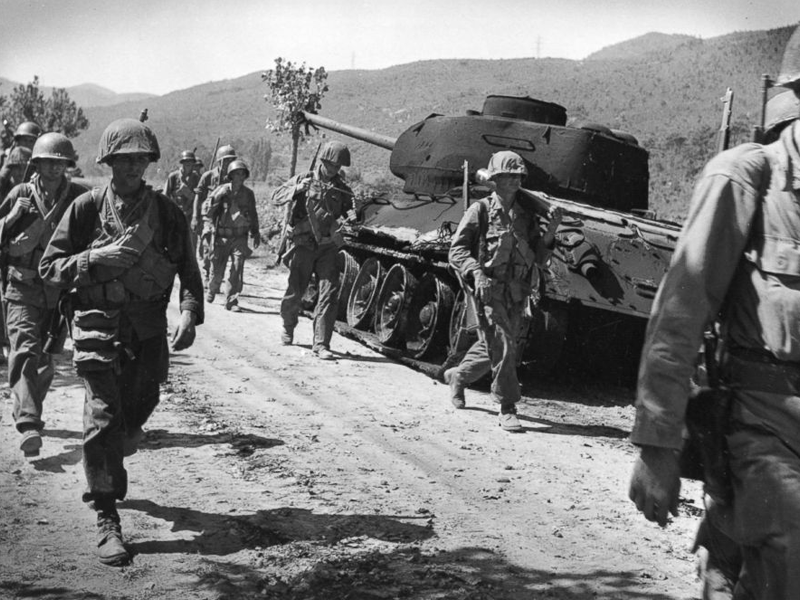
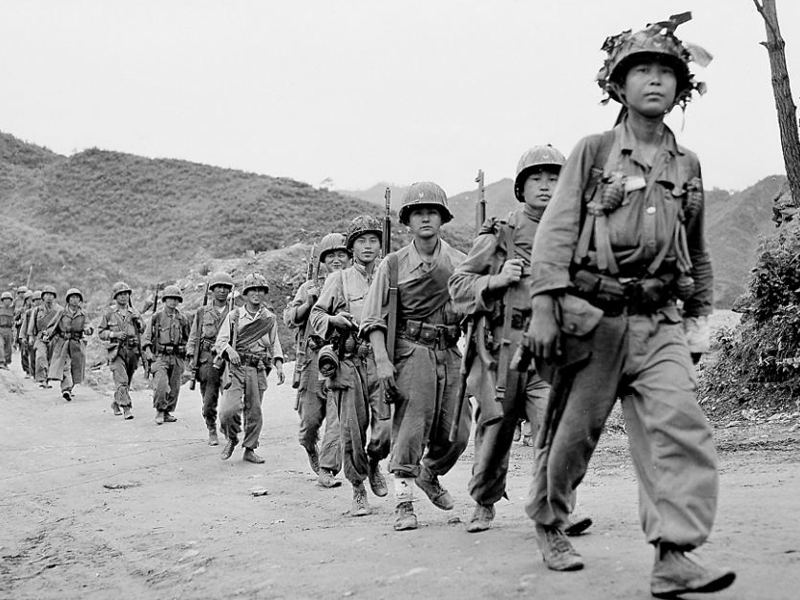
When the wars in Korea and Vietnam ended, many soldiers returned to a homeland still struggling to recover. Cities were rebuilding, economies were unstable, and opportunities were scarce. For many veterans, the transition from soldier to civilian life was far from easy. Some turned to education and small business ventures, while others looked across the ocean for a new start—one that promised stability, security, and the freedom they had long fought to protect.
The move to America was not simply an act of migration—it was a complete rebirth. Veterans arrived with little money, limited English, and few connections. Yet they carried something more powerful than wealth: discipline, resilience, and a deep understanding of sacrifice.
Challenges on New Soil
Life in America offers opportunities, but not without struggle. Korean veterans and their families faced cultural and language barriers that made even simple tasks—finding a job, renting an apartment, enrolling in school—difficult. Many took entry-level or physically demanding jobs, working long hours to provide for their families while adjusting to an entirely new culture.
Despite the hardships, they approached life in America with the same perseverance that had carried them through war. They saved every dollar, valued education above comfort, and built tight-knit communities where they could support one another. Churches, local associations, and small businesses became cornerstones of these early immigrant lives, offering not just economic help but emotional belonging.
Their story is one of unshakable resolve: the ability to turn obstacles into opportunities and hardship into hope.
Discipline Forged in Service
One defining trait that separated Korean veterans from many other immigrants was their military discipline. Years of training and hardship had taught them the value of structure, responsibility, and teamwork. These qualities became their greatest assets in America.
Many became entrepreneurs, using their organizational skills and strong work ethic to open grocery stores, dry cleaners, restaurants, and small manufacturing businesses. Others entered public service, education, or community leadership, carrying forward the same spirit of duty they had learned in uniform.
Their military background also helped them cope with the emotional toll of immigration. Adapting to a new life after war required mental strength—the same kind of endurance that had once kept them alive on the battlefield. Through this, they not only survived but thrived, contributing to both the Korean-American community and American society at large.
Family: The Anchor of Immigrant Life
For most Korean veterans who came to the United States, family was the driving force behind their journey. They wanted their children to have the education and freedom they never had growing up. Sacrifice became a familiar language in immigrant households—parents working double shifts, saving for tuition, and teaching their children the importance of gratitude and respect.
This generation’s quiet sacrifices laid the foundation for future success. Their children became doctors, engineers, teachers, and public servants—many bridging the cultural gap between the two nations through their work and community involvement.
Family gatherings often became places of remembrance and reflection, where elders shared stories of endurance—not to dwell on hardship, but to teach resilience. Through their experiences, they passed on values of humility, perseverance, and compassion.
Preserving Identity While Embracing Change
Adapting to American life didn’t mean abandoning Korean heritage. In fact, many veterans and their families made deliberate efforts to preserve their culture through language schools, traditional holidays, and community centers.
Korean-American neighborhoods began to flourish, from Los Angeles and New York to Chicago and Dallas. These areas not only provided support systems for new arrivals but also helped foster cultural exchange with American society.
For many veterans, dual identity became a source of pride rather than conflict. They honored their Korean roots while embracing the freedoms and opportunities of their adopted homeland. This balance between remembrance and renewal became the defining feature of their immigrant experience.
A Legacy of Strength and Gratitude
Today, the legacy of Korean veterans who immigrated to America is visible across generations. Their contributions extend beyond economics—they helped shape the moral and cultural fabric of Korean-American life. Their discipline, community spirit, and faith in hard work became guiding principles for younger generations.
Many of these veterans continued serving even after settling in America—supporting other immigrants, volunteering for veterans’ associations, and advocating for recognition of Korean contributions to international peacekeeping. Their actions remind us that service doesn’t end when a soldier leaves the battlefield—it continues in every act of kindness, mentorship, and dedication to community.
Lessons from a Lifetime of Perseverance
The journey from war zone to America is more than a story of migration—it’s a story of human strength. It shows that even after facing the harshest realities of conflict, people can rebuild, renew, and inspire.
Korean veterans proved that resilience is not defined by circumstance but by choice—the choice to keep moving forward, no matter how uncertain the path. They turned suffering into motivation and exile into opportunity, leaving a legacy that still inspires immigrants today.
Their story is also a universal one. Around the world, millions have fled war and hardship, seeking peace and purpose elsewhere. Each of them carries the same quiet courage—the determination to start again and the hope that tomorrow can be better than yesterday.
Conclusion
From the front lines of war to the neighborhoods of American cities, Korean immigrant veterans embody the power of endurance and transformation. They remind us that true strength is not found in weapons or victories but in the ability to rebuild life from nothing.
Their journey stands as a timeless example of perseverance, proving that no distance, no hardship, and no loss can silence the human spirit’s desire to create, belong, and thrive.
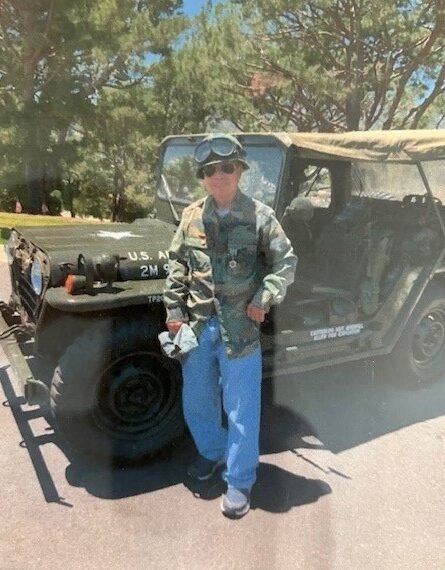
For a first-person account of this experience, see Chris D. Lee’s memoir Incheon to Vietnam—from tidal flats in Korea to a logistics headquarters in Vietnam, and onward to rebuilding a life in the United States.
VALOR Act and a Plea for Equal Recognition
Chris D. Lee also significantly mentions that even after the U.S. Congress and President Biden signed the VALOR Act on November 13, 2023, an estimated 3,000 Korean American Veterans of the Vietnam War (KAVVW) are still not admitted to VA hospitals and do not have burial rights.
“We feel we have been used and not recognized. My grandchildren and I attend community Memorial Day and Veterans Day ceremonies, and I feel left out.”
He asks that Vietnam veterans like him be recognized and treated equally, consistent with America’s commitments to DEI—diversity, equity, and inclusion.