In the mid-20th century, few could have predicted that a war-torn nation on the Korean Peninsula would one day become one of the world’s most dynamic economies. The Korea we know today—modern, innovative, and globally influential—rose from unimaginable devastation. Its story is not merely about recovery; it’s about resilience, unity, and the unyielding will of its people to transform hardship into progress.
From Destruction to Determination
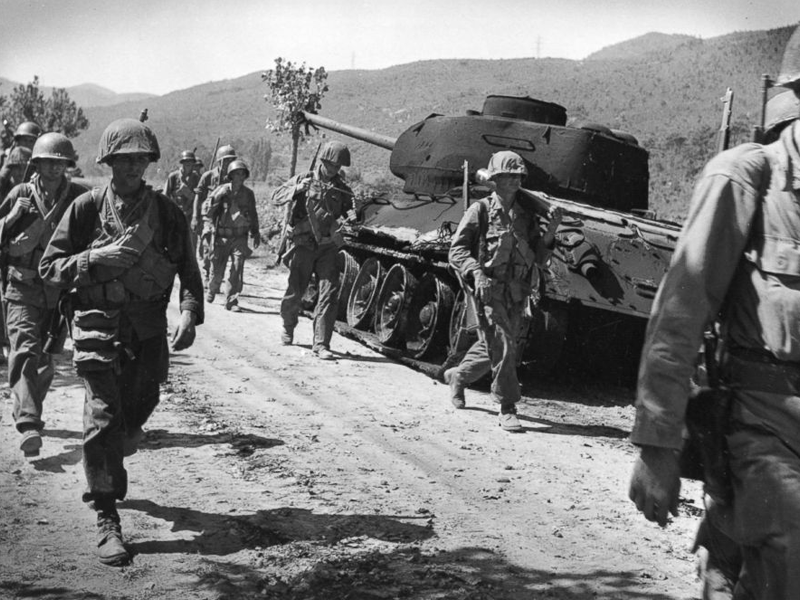
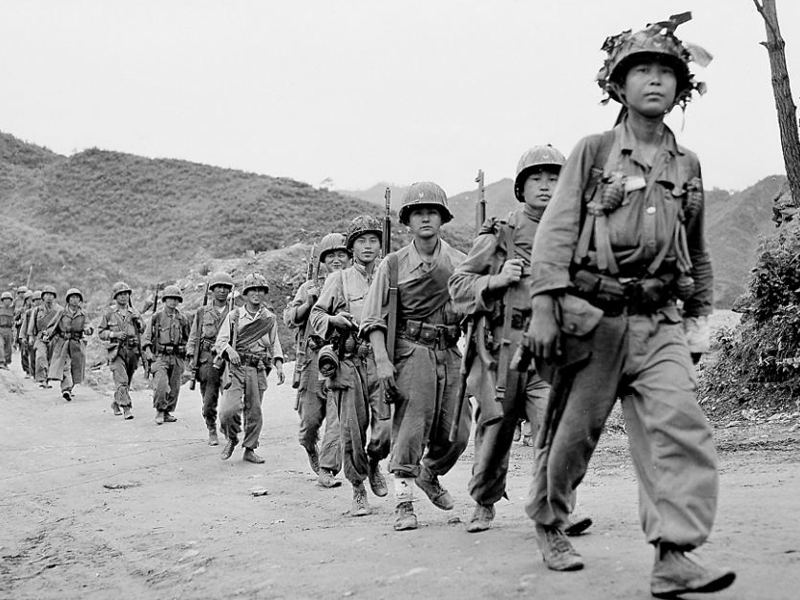
The Korean War left behind destruction on a massive scale. Cities were flattened, industries were gone, and millions of people were displaced. The economy had collapsed, infrastructure was destroyed, and food was scarce. For many nations, such devastation might have meant the end of hope. But for the Korean people, it became the beginning of something new—a test of endurance that would define the character of an entire nation.
What emerged after the war was not a story of despair, but one of extraordinary resolve. Families rebuilt homes from rubble. Farmers returned to ruined fields. Teachers resumed classes under makeshift roofs. Every citizen, regardless of background, contributed in some way to the country’s reconstruction. It was this shared spirit of perseverance that laid the foundation for Korea’s future transformation.
The Culture of Hard Work and Sacrifice
Korea’s recovery was not driven by wealth or foreign resources alone—it was built on collective effort. The generation that survived the war developed a strong belief in discipline, education, and hard work. Parents worked multiple jobs to send their children to school, viewing education as the surest path to stability and progress.
This deep respect for learning and perseverance became part of Korea’s identity. Long hours, dedication to work, and a relentless drive to improve were not just social habits—they were survival instincts turned into national values. The country’s workforce became one of the most industrious in the world, transforming Korea from an aid-dependent nation into an exporter of technology, automobiles, and culture.
Leadership and Vision in Times of Transition
In the decades following the Korean War, Korea underwent rapid industrialization and modernization. This period, often referred to as the “Miracle on the Han River,” was a direct result of strategic national planning and the collective willingness to endure short-term hardship for long-term growth.
The government implemented economic reforms, invested in infrastructure, and supported small and medium-sized businesses. At the same time, the Korean people accepted austerity and worked tirelessly toward national advancement. This shared understanding between leadership and citizens created a powerful synergy—a national mission to prove that adversity could be turned into achievement.
The Role of Education and Innovation
Education has always been at the heart of Korea’s progress. In the years after the war, classrooms symbolized hope. Children studied in overcrowded schools with few supplies, driven by parents who believed knowledge could rebuild what bombs had destroyed.
That determination paid off. Korea soon produced a generation of scientists, engineers, and thinkers who would lead the country into the digital age. From manufacturing to technology, Korea’s success was built not just on natural resources but on human capital.
Today, Korean universities, research centers, and global corporations stand as proof that investing in education and innovation can change a nation’s destiny.
The Emotional and Cultural Strength Behind Progress
Economic growth is only one part of Korea’s transformation. The emotional and cultural resilience of its people is another. After decades of colonization, war, and division, Koreans found strength in unity and cultural pride.
Traditional values such as filial piety, community cooperation, and respect for elders remained strong, even as modernization took hold. The nation’s art, music, and traditions became sources of comfort and identity during difficult times. This balance between tradition and progress gave Korea its distinctive cultural depth—a society that honors its roots while embracing the future.
Even in the face of rapid globalization, Koreans have maintained a strong sense of national identity, blending modern innovation with timeless values of respect, humility, and perseverance.
Resilience as a National Trait
Resilience is more than the ability to recover—it is the capacity to adapt, rebuild, and grow stronger after hardship. Korea’s resilience is visible in every chapter of its modern history.
From overcoming colonial oppression to surviving war and rising from poverty, Koreans have continually found ways to turn crisis into opportunity. Economic downturns, political struggles, and natural disasters have tested the nation many times, yet each challenge has reinforced its collective strength.
The world often looks to Korea today as a model for how a nation can emerge from adversity not just restored, but renewed—with a stronger identity, clearer vision, and deeper sense of unity.
Global Recognition and Continuing Growth
In the modern era, Korea’s achievements have earned global respect. The country is recognized for its innovation in technology, leadership in pop culture, and commitment to education. Korean companies and creative industries have become household names, and Korean cultural exports have connected people across continents.
Yet beneath the success lies the same mindset that guided the country through its hardest years—a belief in perseverance, collective effort, and faith in the next generation. Korea’s transformation remains one of the most remarkable examples of national renewal in history.
A Lesson for the World
Korea’s journey from ruins to resilience is more than a national story—it’s a universal reminder of what human determination can achieve. Every society faces hardship, but not every society turns adversity into strength. Korea did, and continues to do so.
Its story teaches that true progress is not measured only by wealth or technology, but by the will of people to rise, rebuild, and believe in a shared future. It shows that unity, education, and hard work can overcome even the deepest wounds.
Conclusion
Korea’s transformation stands as one of history’s greatest testaments to endurance. From the rubble of war emerged a nation that redefined resilience—not as mere survival, but as the power to rebuild with purpose and pride.
Today, as the world faces new challenges, Korea’s path serves as a guiding light: proof that even the darkest beginnings can lead to extraordinary strength when a people stand together, determined to shape their destiny.