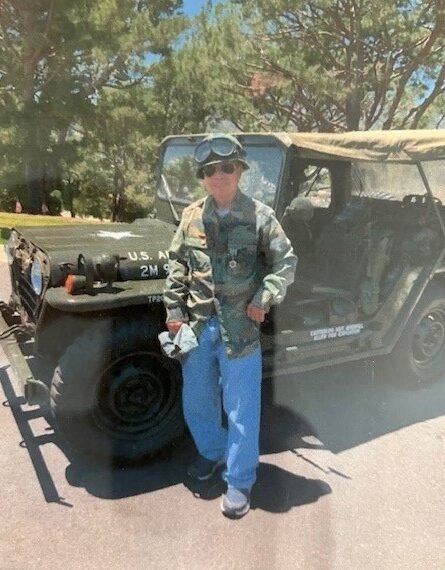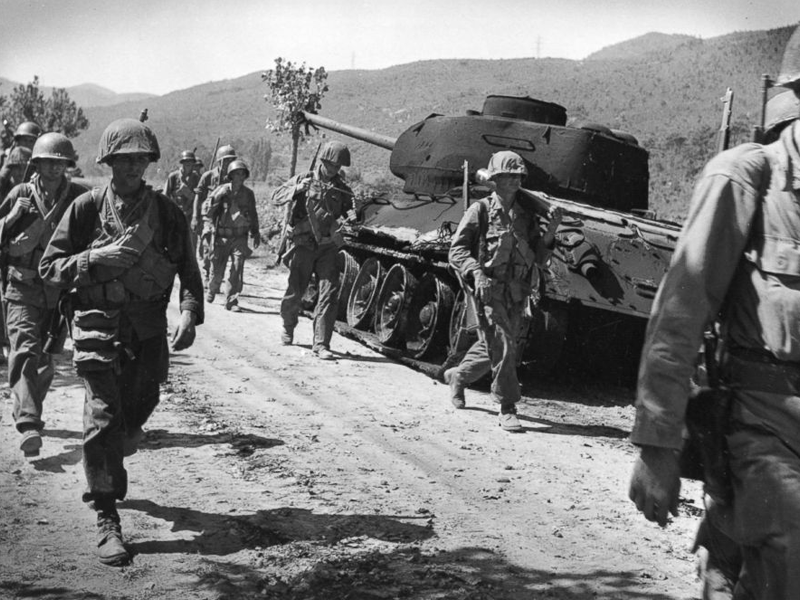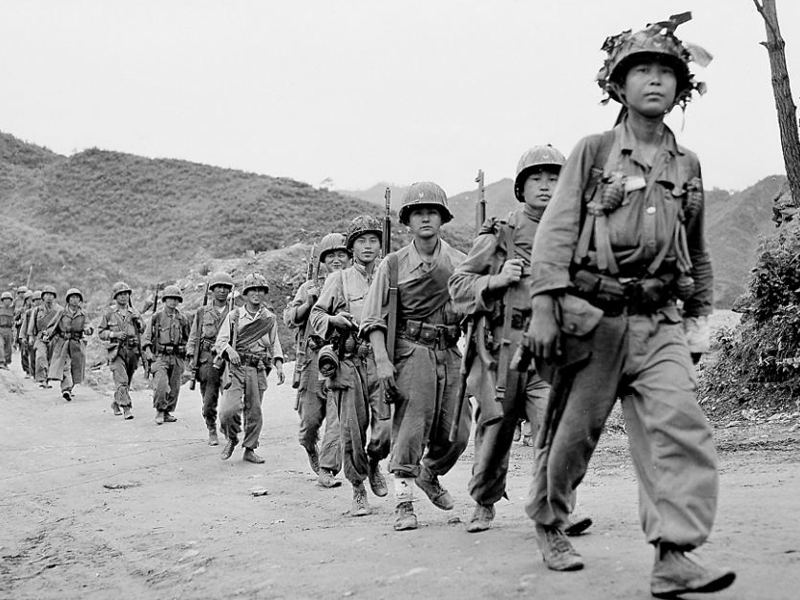
This essay draws from the true-life memoir Incheon to Vietnam. You don’t need to know the author in advance. Think of this as one veteran’s map for living after war: how memory can be faithful without becoming a prison, how mercy can be chosen when anger would be easier, and how meaning is built slowly—shift after shift, year after year.
Memory: Keeping Faith With The Living And The Lost
He remembers faces before he remembers dates: a Signal Battalion neighbor passing him a magazine; a squad mate adjusting a helmet under mosquito netting; a Vietnamese student smiling on a hot beach in Nha Trang. Memory, for him, is not a ledger of battles won; it’s a roll call of small kindnesses and ordinary courage.
In Vietnam, his battlefield is a Quonset-hut office where rosters, radios, and requisitions move food, fuel, and medicine. At night, he joins perimeter watch, learning the discipline of listening. One midnight, cigarette embers flicker in the trees; the squad readies rifles. A radio check prevents friendly fire. That near-miss becomes a lifelong lesson—restraint is a form of bravery.
He remembers Tet’s alarms and sandbags stacked in haste, the thrum of helicopters from a newly formed aviation company, and the quiet gratitude of civilians helped by civil-affairs teams. He also remembers what was never simple: the cost paid by Vietnamese families, the health damage suffered by comrades, the names that never answered morning formation. Memory, for him, demands accuracy and humility. It is a lamp, not a weapon.
Mercy: Choosing The Harder Strength
Mercy begins, for him, with how he looks at strangers. He arrives seasick and unsteady; local students and officials meet him with warmth. The gesture lodges deep. Throughout the war, he keeps encountering people who do not have the luxury of choosing sides every day—farmers, clerks, drivers, children. Mercy becomes the refusal to flatten them into symbols.
Inside headquarters, mercy looks like precision.
A mistaken digit delays a convoy or a hospital resupply; a careful translation speeds it. Precision is respect for lives you may never meet.
After the war, mercy is what he talks about. He resists the easy version where one side is pure and the other is cartoonish. He insists that most people caught in conflict want the same things—safety for family, honest work, a decent future. Mercy also governs his grief. He mourns friends and honors their service without letting bitterness write the rest of his life.
Meaning: Work That Outlasts Uniforms
Meaning rarely arrives as a revelation; it grows. He is tasked to compile a civil-affairs report—clinic visits, school repairs, orphanage support—and translate it for national leaders. The work is tedious, exacting, and important. When the report earns a medal for his commanding general and an unexpected promotion for him, he learns something permanent: documentation can be an act of dignity. Listing what was done for the vulnerable says, “These efforts count.”
When he returns to a poor, rebuilding Korea, meaning shifts again. The uniform comes off; the habits stay. He keeps knocking on closed doors, studies at night, works by day, and learns that civilian logistics—contracts, quality checks, shipping schedules—can serve communities as surely as convoys once did. Later, in Honolulu and across new industries, his craft is the same: connect people, move resources, keep promises.
Honoring Comrades Without Living Backward
He honors his comrades by telling the truth about them: not only their courage under fire, but their humor, their boredom, their stubborn professionalism. He also honors them by staying available to the living. Veteran communities need more than speeches; they need check-in calls, rides to appointments, introductions to employers, and someone who understands silence.
His remembrance is practical. He shows up at memorials and reunions; he donates time to projects that help veterans navigate benefits and jobs. He knows grief changes shape but never disappears, so he builds rhythms—anniversaries observed, letters sent, names spoken aloud. The point is not to reopen wounds; it is to refuse erasure.
Mercy Toward Self: Letting Purpose Outrun Perfection
People who survive hard years often carry a private accusation—“I should have done more.” He answers that voice with disciplined mercy. He keeps learning, keeps helping, and forgives himself for being human. He lets purpose outrun perfection by focusing on the next useful thing: a report written clearly, a colleague mentored, a door opened for someone younger.
When loss enters his family, the old disciplines carry him: show up, do the next task, care for others, keep memory tender. Mercy toward self does not erase sorrow; it keeps sorrow from becoming the only story.
Building A Future That Makes Room For Others
He believes freedom is not just the absence of war; it is the presence of people who carry one another. That conviction shapes his civilian career. He favors teams over headlines, systems over slogans, and the quiet satisfaction of getting the whole shipment right. He values interpreters, drivers, clerks, and cooks—the overlooked specialists who keep everything moving.
He stays curious. New industries don’t scare him; they remind him of supply lines with different labels. Ports and classrooms replace depots and airstrips, but the core skill remains: take responsibility for what passes through your hands.
What Readers Can Take With Them
You don’t need to have worn a uniform to use what he learned.
- Keep a truthful memory: Tell the story whole—courage and error, cost and grace.
- Practice everyday mercy: Be precise, especially when your work touches other people’s safety or livelihood.
- Build meaning through small, steady acts: Documentation, mentorship, and follow-through are forms of care.
- Honor the living while you honor the lost: Community is built by attention.
- Let purpose outrun perfection: Do the next useful thing, and then the next.
A Closing Image
If you asked him to sum up a life, he might point back to water. At low tide, the flats look endless; at high tide, the sea takes them back. In both conditions, work continues—nets are repaired, knots are tied, and routes are planned. Memory is the chart, mercy is the safe water, and meaning is the harbor you build so others can dock without fear.
That is how he honors those who did not come home and how he chooses to live for the ones who did: not by forgetting, not by clenching, but by carrying—carefully—toward a better day.