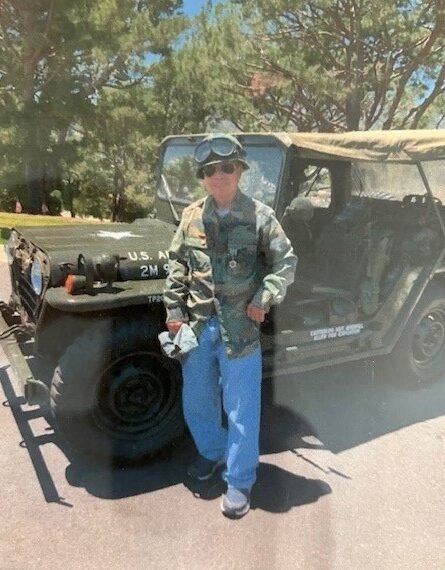
This is the true story of Chris D. Lee, told through his memoir Incheon to Vietnam. You don’t need to know him—or the book—to enter this narrative. It begins with a boy on a windy coast in Korea, crosses a war-torn peninsula, lands in Vietnam, and returns to a home remade by work, study, and memory. At its heart, it’s the journey of a soldier who becomes a builder, and a builder who becomes a keeper of stories.
Lessons from a Breathing Sea
Lee grows up in Incheon, where the tide slides away like a curtain and rushes back without apology. On those wide mudflats, he learns practical truths: hunger sharpens attention; patience is a tool; timing matters. The harbor’s rhythms—ship horns, gulls, the long silhouettes of boats—quietly train him to read the world and move when it’s time.
When a Country Splits, a Family Moves
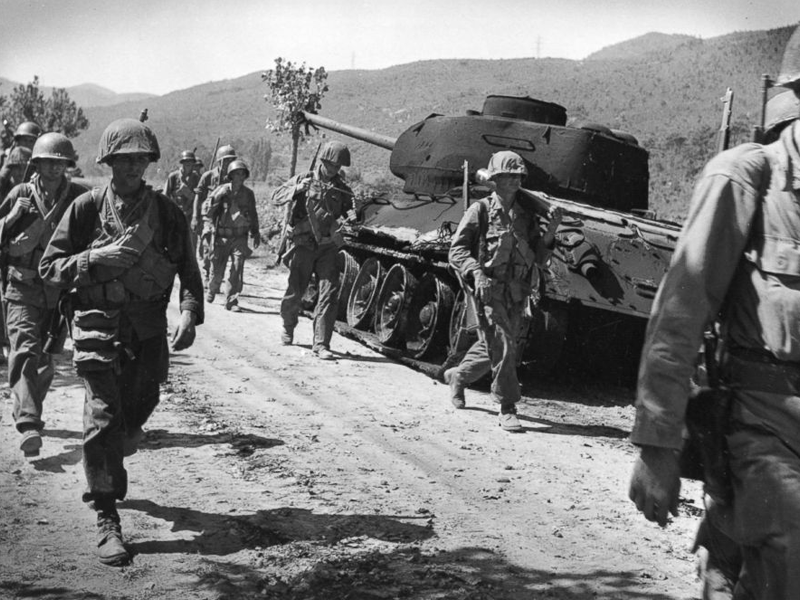
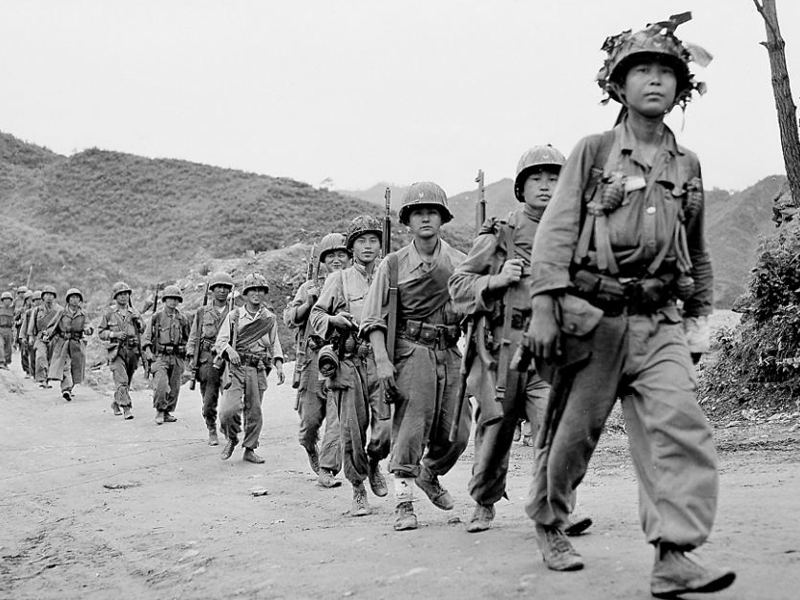
War redraws the map. The Korean peninsula divides, and families like his head south with what they can carry. He learns the unglamorous skills of endurance: how to choose the next safe place, how to keep pace with adults who walk faster when they’re worried, how to sleep when the road itself becomes a temporary home. Displacement doesn’t make him bitter; it makes him alert.
Answering Duty: The Interpreter’s Road
Adulthood brings the discipline he’s been practicing since childhood. School opens a narrow path; military duty opens a clearer one. Selected as an interpreter for the Republic of Korea Army, he discovers that language is not decoration—it’s a lifeline. In 1967, he boards the SS Gordon bound for Vietnam, seasick but steady, carrying more responsibility than luggage.
Vietnam: The Work Behind the War
The first landings are by rope ladder into a waiting boat off Qui Nhon; the welcome on Nha Trang’s quiet beach is warm and surprising. Assigned to the 100th Logistics Command’s G-1 (Adjutant General) office, he enters a war most people never see: personnel rosters, convoy manifests, radio calls, and the paperwork that turns into food, medicine, fuel, and ammunition. His desk is a hinge between Korean units and the U.S. depot at Cam Ranh Bay. Accuracy is not clerical; it’s life-and-death.
Nights on the Perimeter, Mornings in Formation
Camp life is elemental: canvas bunks under mosquito nets, Taekwondo at dawn, heat that doesn’t quite relent. Half the unit pulls night perimeter duty, listening for what doesn’t belong. One midnight, glowing embers in the trees look like an enemy squad; a radio check prevents friendly fire. He carries that lesson—restraint is also courage—well beyond his military years. Next door, American Signal soldiers run a humming radio truck and share coffee, magazines, and the comforting ordinariness of conversation. The Tet Offensive slams the calendar; helmets go on and sandbags rise. He learns how fear and readiness can stand side by side.
The Report That Spoke for the Quiet Work
Midway through his tour, he gets an unexpected assignment: document the command’s civil-affairs efforts—clinic visits, school repairs, orphan support, road grading—across villages and provinces. He gathers dozens of accounts, translates, and shapes them into a report that speaks clearly about service without spectacle. It earns his commanding general a presidential medal and earns Lee a promotion he didn’t seek. Recognition matters, but what stays with him is simpler: the proof that ordinary acts, repeated patiently, can rebuild trust in places war has thinned.
Coming Home to a Different Fight
He returns to Korea in 1969 and finds a country still clawing its way out of poverty. Jobs have hard age limits; opportunities are scarce. He keeps knocking. The habits he learned—show up, prepare, focus—carry him through government work, then to the national airline, and eventually to Honolulu. Nights in class, days at work: the cadence feels familiar. He trades convoy schedules for course schedules and forms for contracts, discovering that peacetime logistics can be just as demanding as wartime supply.
Building in Peace: Study, Work, and the Wider World
Life widens beyond résumés. There is family, with all of its ordinary heroism. There is a business that stretches from packaging and export to aviation and, later, cruise-port commerce. There is community work, and there are veteran gatherings where stories are told with new pauses. He learns that leadership can look like a clipboard, a handshake, a carefully written memo, or a visit to someone who needs help. He also learns that loss—when it comes—asks for gentleness and steadiness more than speeches.
What His Journey Offers the Rest of Us
Lee never pretends that anyone “wins” a war. He argues, instead, that people can still win a life after one. The tidal flats taught him timing and patience; the evacuation taught him movement and courage; the headquarters taught him that words, correctly placed, can move mountains; the night perimeter taught him to distinguish fear from danger; classrooms and offices taught him that dignity can be rebuilt on schedules and promises kept.
For readers who meet him on a screen or a page, his journey offers a practical kind of hope. It says that endurance is learnable, that service behind the scenes matters, and that building—whether a career, a family, or a community—often looks like showing up again tomorrow. It says memory can be tender and strong at the same time. And it says freedom isn’t just the absence of war; it’s the presence of people willing to carry one another, carefully, toward a better day.
A Plea for Recognition (VALOR Act, 2023)
Chris D. Lee asks that this story end with an appeal. Even after the U.S. Congress and President Biden signed the VALOR Act on November 13, 2023, he notes that approximately 3,000 Korean American Veterans of the Vietnam War (KAVVW) still are not admitted to VA hospitals or granted burial rights. “We feel we have been used and not recognized,” he writes. “My grandchildren and I attend community Memorial Day and Veterans Day ceremonies, and I feel left out.” He asks that Vietnam veterans like him be recognized and treated equally, consistent with America’s stated commitments to diversity, equity, and inclusion (DEI)—a request made on behalf of all who served alongside U.S. forces and continue to seek equal access to care and honor.